BAMBU LAB
H2S
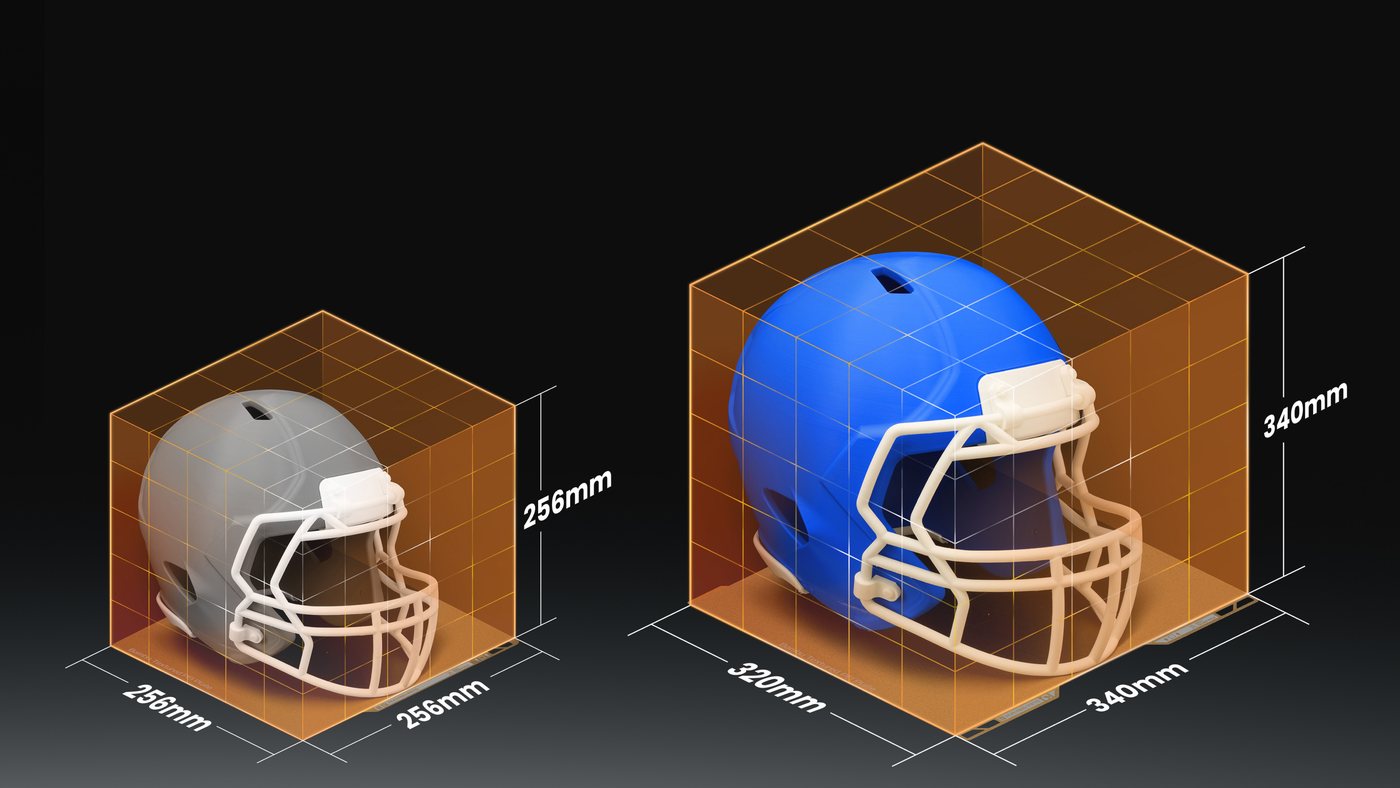
Less than the H2D by one nozzle, more where it counts: a 340×320×340 mm build volume, the biggest in Bambu's lineup. Still a 350 °C hotend, a 65 °C chamber, and room for a 10W laser and a blade.
A little less, right for a lot more people
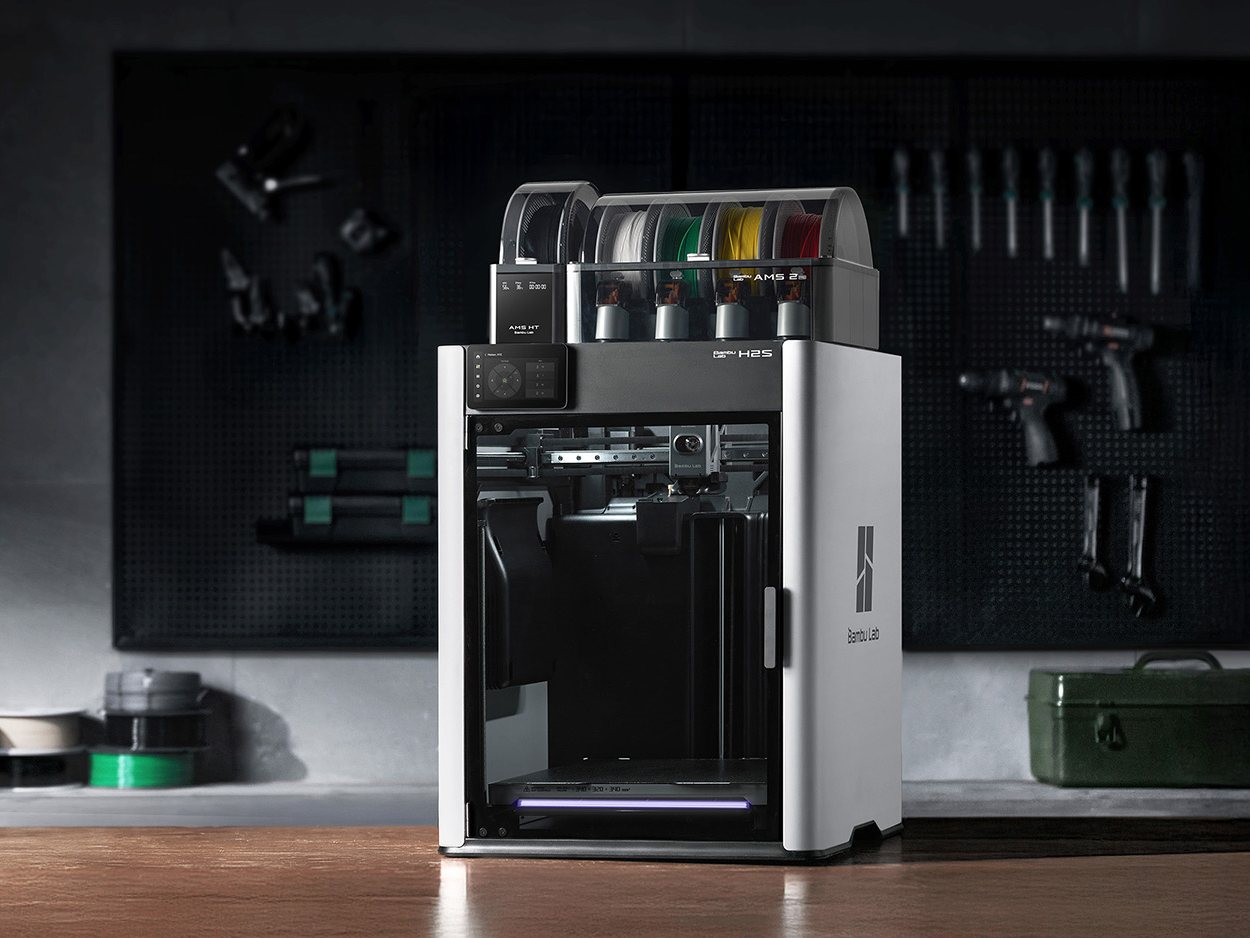
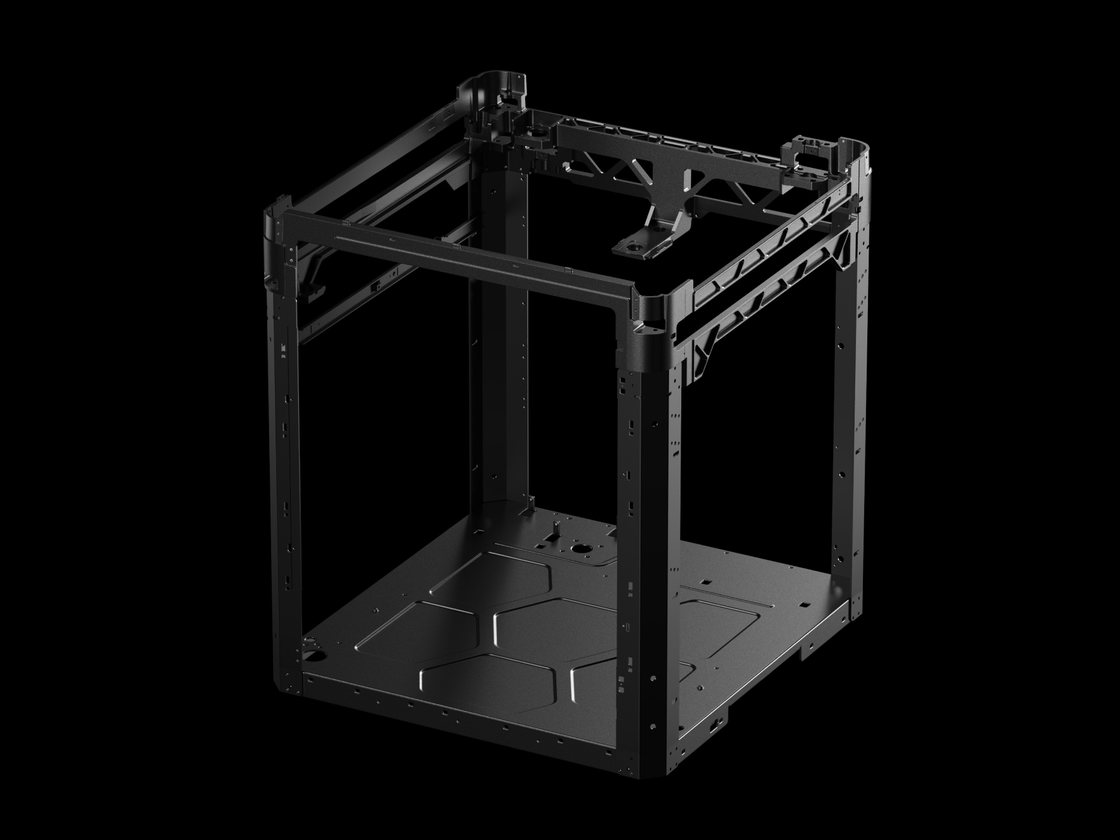
The H2S is the single-nozzle member of the H2 family, launched on 26 August 2025. It drops the H2D's second nozzle in exchange for a taller build volume (340 mm) and a much lower price — from $1,249 at launch — while keeping nearly all the tech: servo extruder, actively heated chamber, AI monitoring, die-cast aluminum frame. To me it's the clear answer for anyone who wants a stable, fast, big-format printer — an upgrade from an X1/P1 without paying for a second nozzle.
What the H2S does well
Bambu's biggest build volume
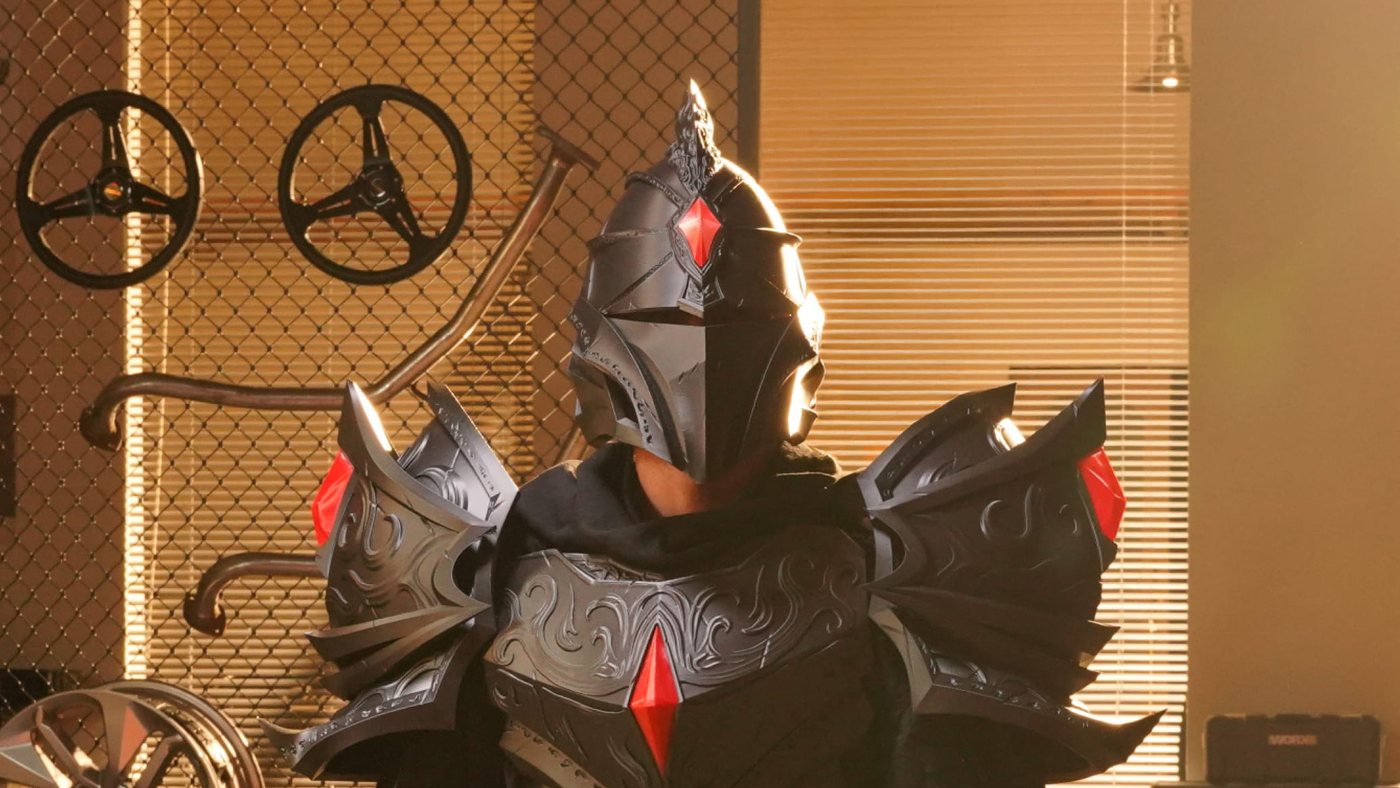
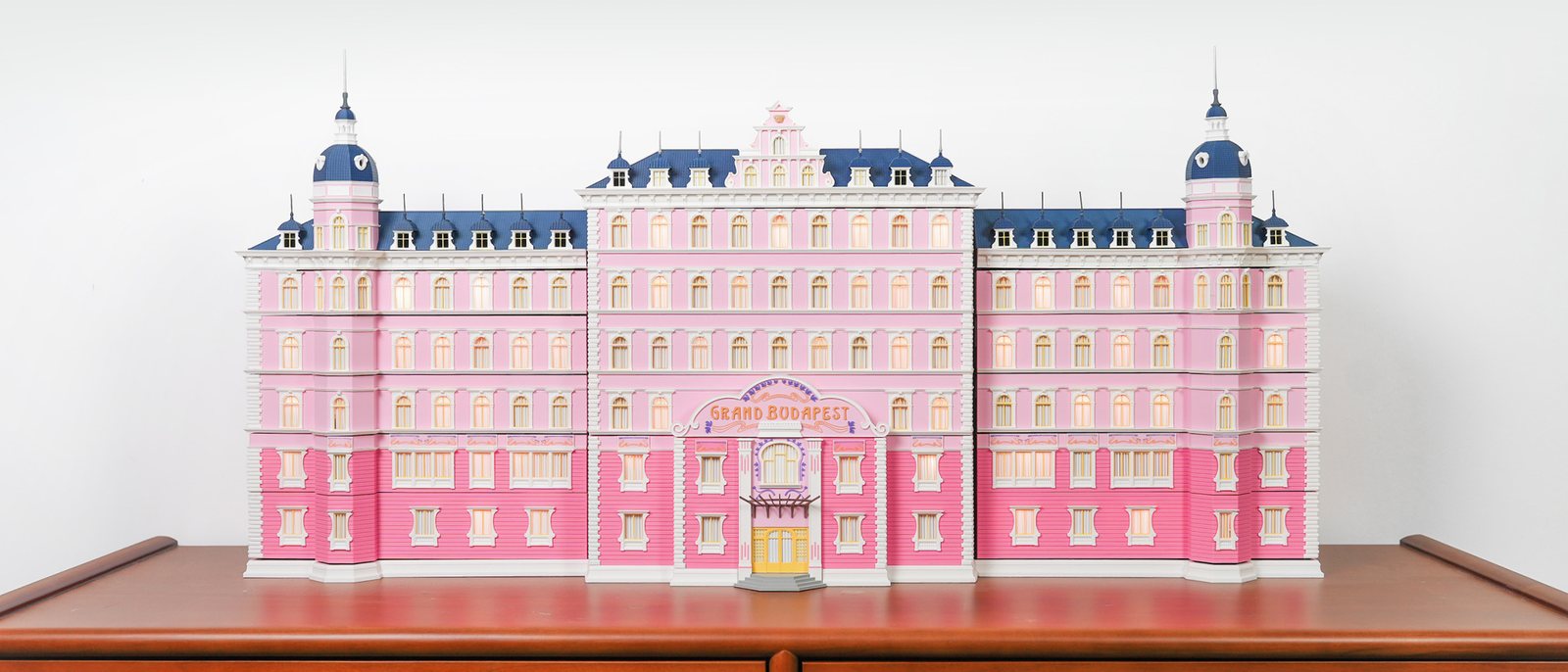
340×320×340 mm — 120% more volume than the X1 Carbon. Helmets, cosplay armor or full-size car parts in one print instead of splitting and gluing.
Servo extruder, 10 kg of push
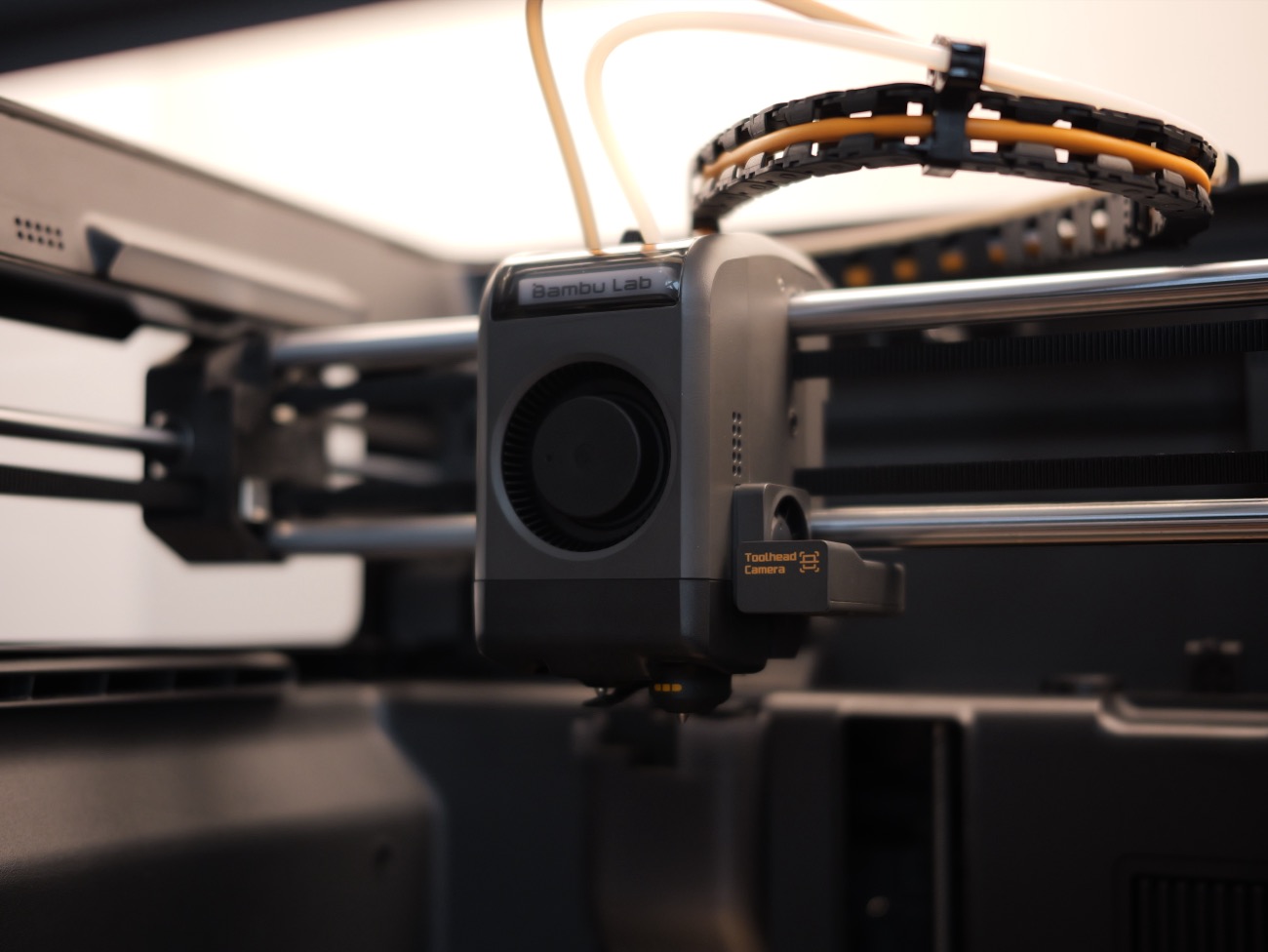
A PMSM servo extruder pushes up to 10 kg (about 67% more than a stepper) and checks 20,000 times a second to catch grinding or clogs as they happen. Up to 30% faster than the X1C.
350 °C + a 65 °C chamber
A 350 °C hotend and an actively heated 65 °C chamber cover everything from PLA to PC and PPA, with G3 + H12 HEPA + carbon filtration for engineering materials.
10W laser, blade and pen
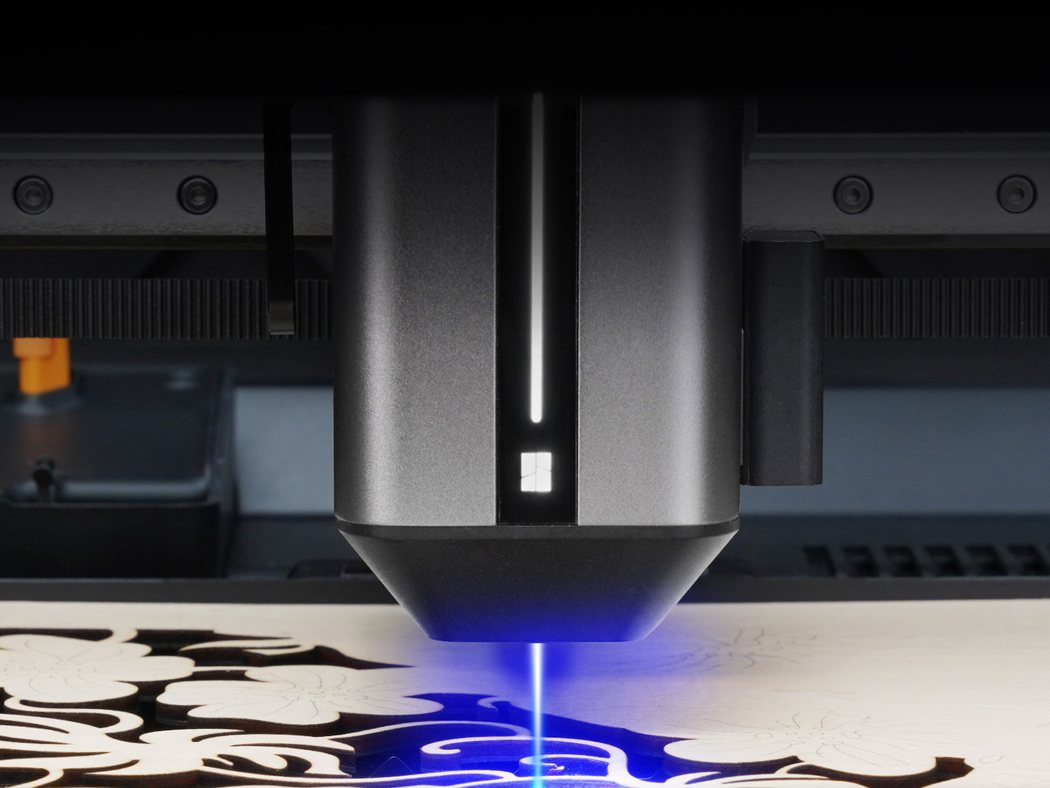
Add the 10W 455 nm laser to cut up to 5 mm of plywood, acrylic or PU; a blade for vinyl, paper and leather; and a pen. The Laser Edition's BirdsEye camera aligns jobs to about 0.3 mm.
A 3-mode airflow flap
One flap switches between high-temp printing (sealed, filtered recirculation), low-temp printing (top vent open, so PLA/PETG runs with the door shut) and laser mode (fumes ducted out).
Under 50 dB, tool-free nozzle swaps
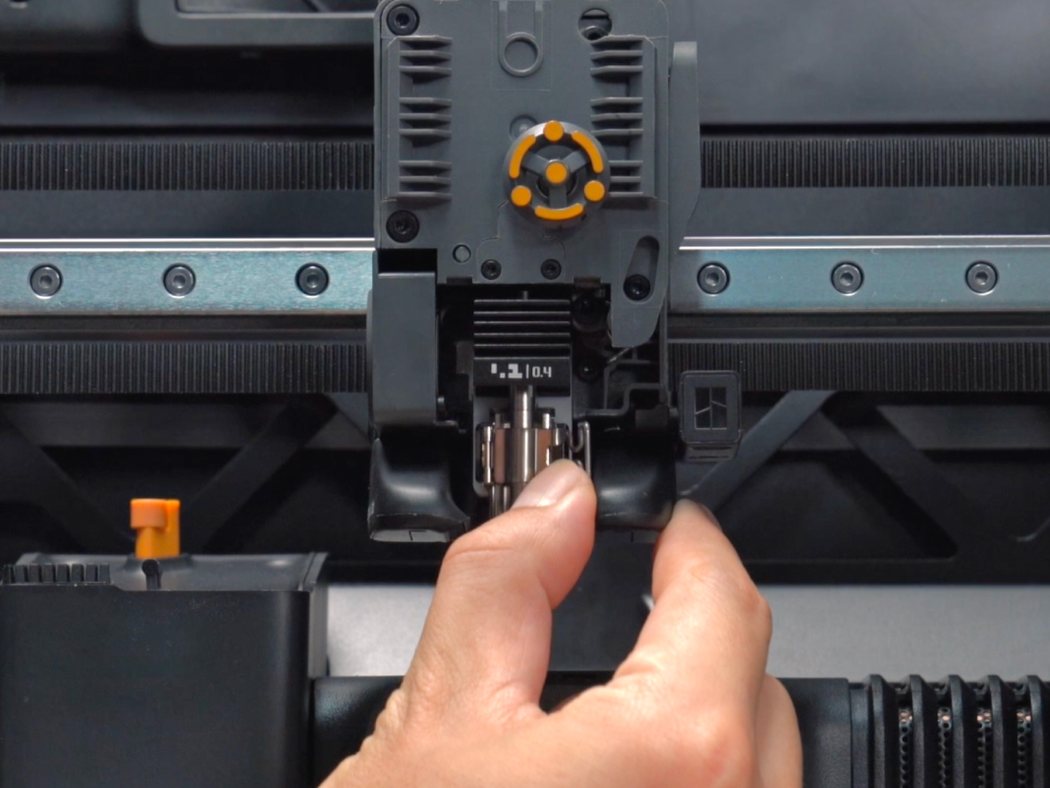
Active motor noise canceling and quieter ducts keep it under 50 dB (measured at 1 m). Nozzles swap in seconds without tools, on a rigid die-cast aluminum chassis.
Where it's not yet optimal
No machine is perfect — here are the trade-offs worth knowing before you buy, drawn from hands-on use and international reviews.
Just one nozzle
Multicolor or multi-material through the AMS still purges on every swap — more colors, more waste. If you live on dedicated supports or two materials, the H2D/H2C fit better.
Laser tops out at 10W
The official H2S spec sheet lists only the 10W module (5 mm max cut) — for 15 mm cuts with the 40W module you need the H2D.
Still big and heavy; Vision Encoder is extra
The body is the same 492×514×626 mm, 30 kg as the H2D. Sub-50 µm motion accuracy requires the separately sold Vision Encoder plate.
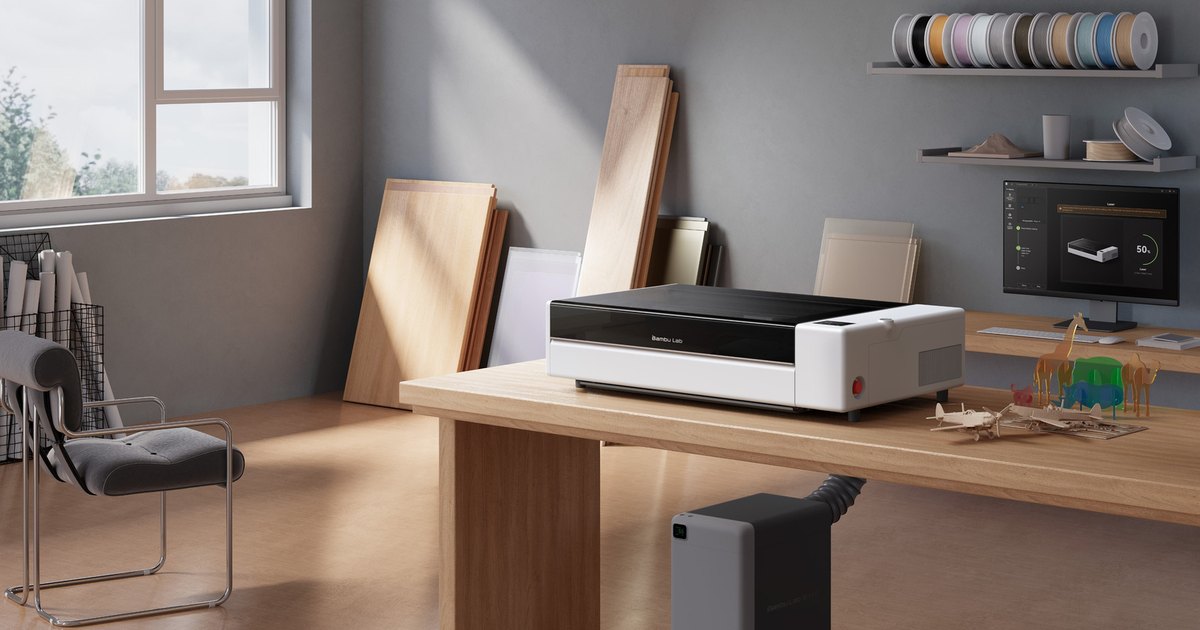
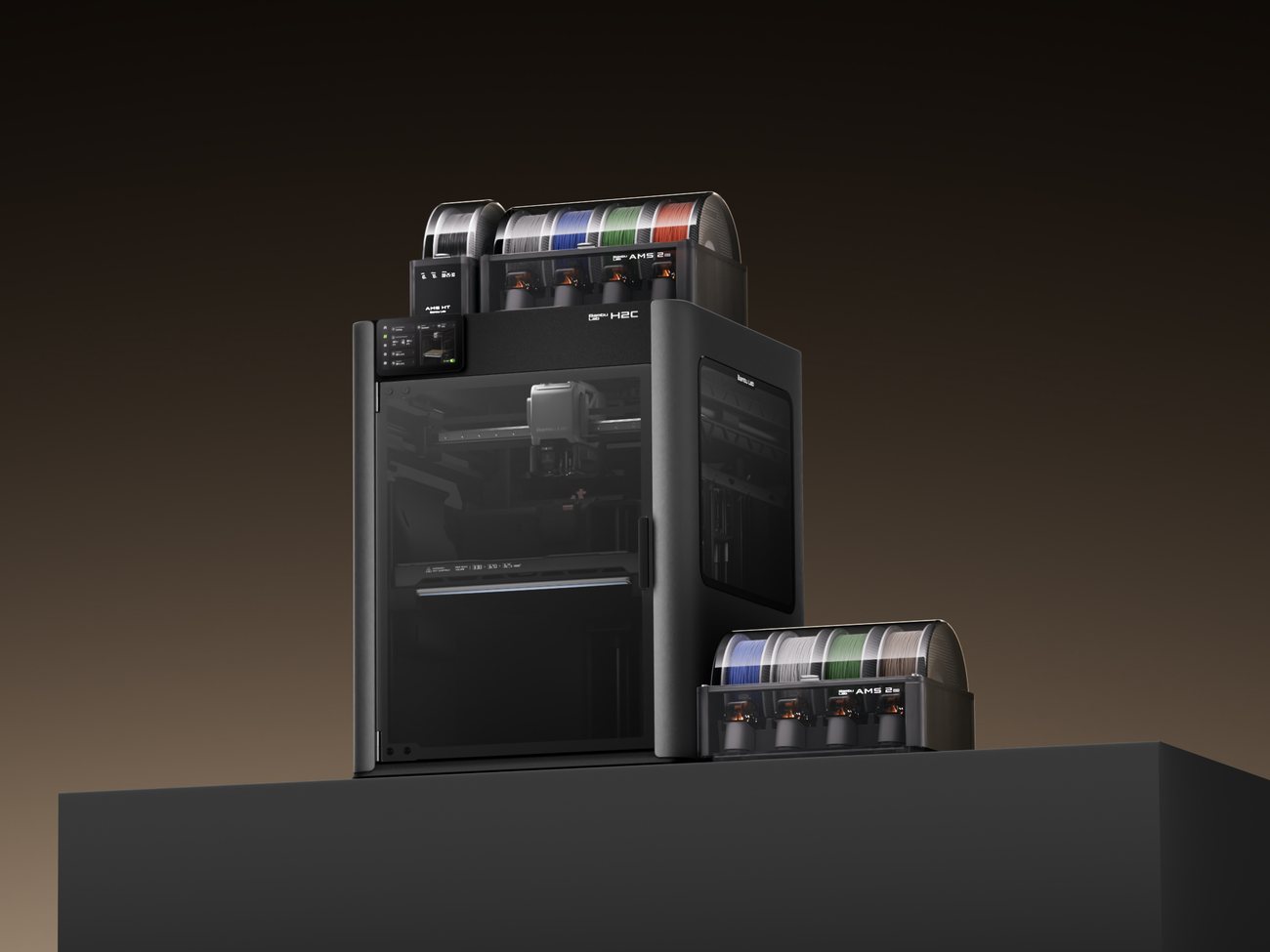
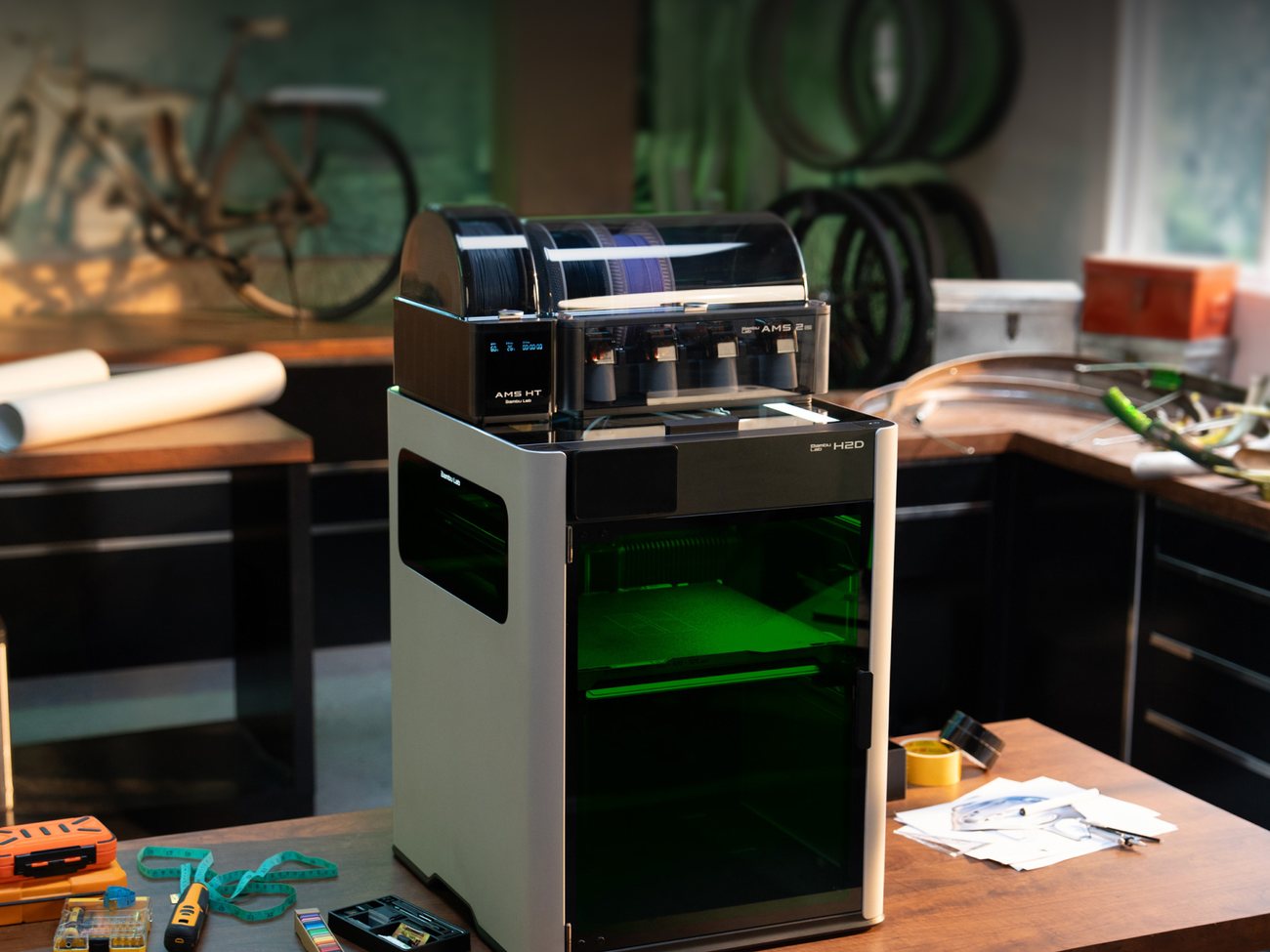
The H2S in Bambu Lab's photos
Technical details
Watch the full H2S video
I unbox the H2S and explain why I call it “less, but more”: a few fewer features, a lot less money, and a better fit for more people. Give it a watch and follow Ariel Studio.